Mastering the Art of Effective Communication: Enhancing Your Communication Skills
Communication is an indispensable aspect of human interaction that profoundly influences our personal, social, and professional lives. The ability to convey thoughts, ideas, and emotions clearly and effectively is a skill that can be honed and refined over time. In today’s fast-paced and interconnected world, strong communication skills are more critical than ever before. Whether you are seeking to excel in your career, build meaningful relationships, or simply enhance your overall quality of life, mastering effective communication is a must.
In this comprehensive guide, we will explore the importance of communication skills, the different types of communication, common barriers to effective communication, and strategies to enhance your abilities. By the end of this article, you will have a solid understanding of what it takes to become a confident and proficient communicator.
1.The Importance of Communication Skills
Communication skills are the bedrock of successful human interaction. They are the bridge that connects us with others and enables the exchange of information, ideas, and emotions. Here are some key reasons why effective communication is essential:
a. Building Strong Relationships: Good communication is the foundation of any healthy relationship, be it with family, friends, or colleagues. Clear and open communication fosters trust, understanding, and empathy, leading to stronger bonds between individuals.
b. Enhancing Career Prospects: In the professional world, effective communication is a highly sought-after skill. Employers value employees who can articulate their ideas clearly, collaborate effectively, and resolve conflicts peacefully.

c. Resolving Conflicts: Miscommunication often lies at the heart of conflicts. By developing excellent communication skills, you can navigate disagreements with tact and find mutually beneficial solutions.
d. Boosting Self-Confidence: Being able to express yourself articulately and being understood by others can significantly boost your self-confidence and self-esteem.
e. Promoting Personal Growth: As you refine your communication abilities, you also improve your ability to listen, empathize, and understand different perspectives, leading to personal growth and development.
2.Types of Communication
Communication comes in various forms, each with its unique characteristics and methods of expression. Understanding the different types of communication can help you tailor your approach based on the context and audience. The primary types of communication include:
a. Verbal Communication: This involves the use of spoken words to convey messages. Verbal communication includes face-to-face conversations, phone calls, presentations, and public speaking.
b. Non-Verbal Communication: Non-verbal cues such as facial expressions, gestures, body language, and tone of voice can speak volumes even without the use of words. Paying attention to non-verbal signals can help you better interpret and respond to others’ messages.
c. Written Communication: Written communication encompasses emails, letters, reports, memos, and any form of written expression. It requires clarity, conciseness, and proper organization to ensure the message is understood correctly.
d. Listening Skills: Listening is a vital component of communication. Active listening involves giving full attention to the speaker, understanding their message, and providing appropriate feedback or response.
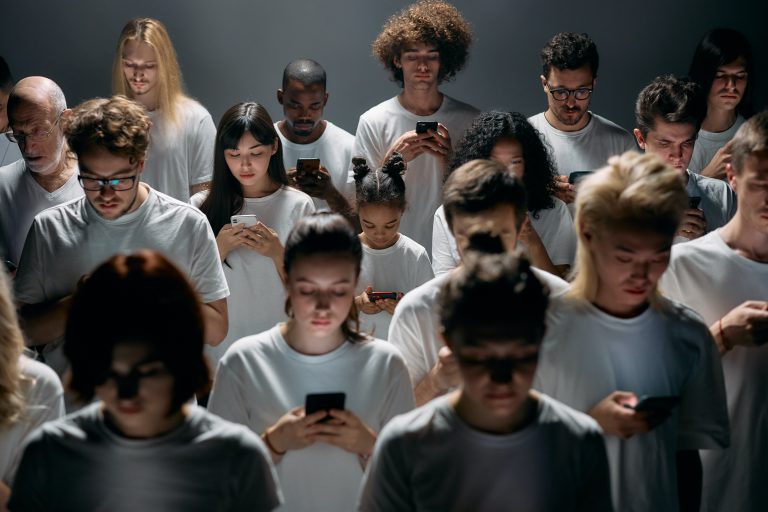
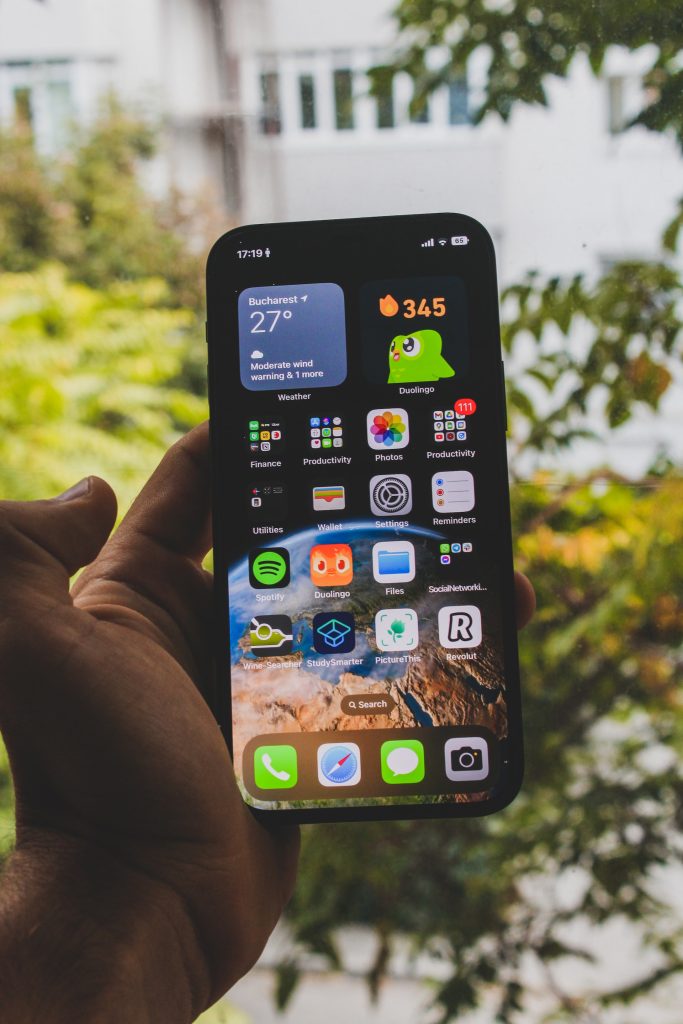
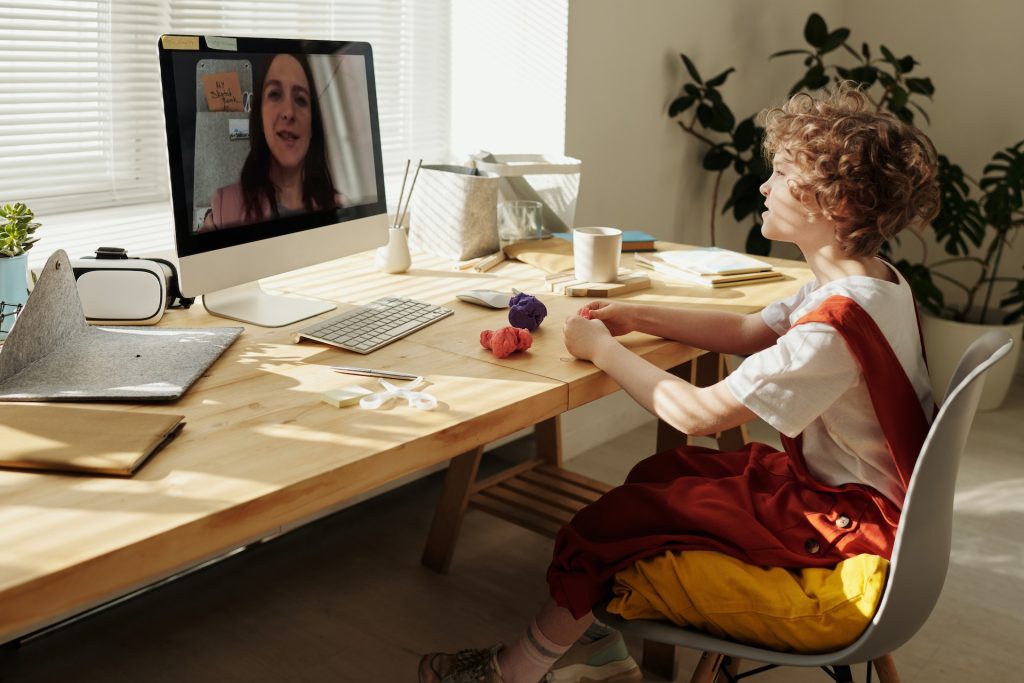
e. Digital Communication: With the advent of technology, digital communication has become prevalent, including text messages, instant messaging, social media, and video conferencing. Understanding the nuances of digital communication is essential in today’s digital age.
3.Common Barriers to Effective Communication
Despite the importance of communication, various barriers can impede the smooth flow of information and understanding. Being aware of these barriers can help you overcome them and become a better communicator. Some common barriers include:
a. Lack of Clarity: Unclear or ambiguous messages can lead to misunderstandings and misinterpretations. It is essential to be concise and specific in your communication.
b. Assumptions and Stereotypes: Preconceived notions and stereotypes about others can cloud your judgment and affect how you communicate with them.
c. Emotional State: Strong emotions like anger, anxiety, or stress can interfere with effective communication, leading to irrational reactions and impaired listening.
d. Inattentive Listening: Not giving your full attention to the speaker can result in missing essential information and cues, hindering effective communication.
e. Language Barriers: Differences in language and dialects can create misunderstandings between individuals who do not share a common language.
f. Cultural Differences: Diverse cultural backgrounds can impact communication styles, customs, and gestures, leading to potential misinterpretations.
4.Strategies to Enhance Communication Skills
Improving communication skills is an ongoing process that requires practice, patience, and self-awareness. Here are some strategies to help you enhance your communication abilities:
a. Develop Active Listening: Cultivate active listening skills by giving your full attention to the speaker, maintaining eye contact, and avoiding interruptions. Show interest and empathy to encourage the speaker to express themselves freely.

b. Practice Empathy: Put yourself in others’ shoes to better understand their feelings and perspectives. Empathy enables you to respond with sensitivity and consideration, fostering better connections with others.
c. Be Clear and Concise: Whether speaking or writing, strive for clarity and conciseness in your messages. Avoid jargon and use straightforward language that is easy for others to comprehend.
d. Ask for Feedback: Seek feedback from trusted friends, family, or colleagues to identify areas for improvement in your communication style. Constructive criticism can be valuable in refining your skills.
e. Manage Your Emotions: Learn to recognize and manage your emotions during communication. If you feel overwhelmed, take a moment to compose yourself before responding.
f. Adapt to Your Audience: Tailor your communication style based on the context and audience. Different situations may require varying levels of formality and different approaches.
g. Improve Non-Verbal Communication: Pay attention to your body language, facial expressions, and tone of voice. Ensure they align with your intended message to avoid sending mixed signals.
h. Enhance Digital Communication: Be mindful of etiquette in digital communication. Use proper grammar, avoid using all caps (which can be perceived as shouting), and respect others’ privacy.
i. Seek Opportunities for Public Speaking: Engaging in public speaking or presentations can boost your confidence and hone your verbal communication skills.
j. Engage in Conflict Resolution: Develop strategies to handle conflicts constructively, focusing on active listening, empathy, and finding mutually beneficial solutions.
Effective communication is an indispensable skill that empowers individuals to connect with others, build strong relationships, and excel in various aspects of life. By understanding the different types of communication, recognizing common barriers, and implementing strategies to enhance your abilities, you can become a confident and proficient communicator. Remember, communication is not just about conveying information; it is about understanding, empathy, and building meaningful connections with others. As you continue to refine your communication skills, you will find yourself better equipped to navigate the complexities of human interaction and succeed in both your personal and professional endeavors.
The Power of Positive Thinking and Gratitude
Time Management: The Key to Productivity and Success
Sheryl Sandberg: A Trailblazing Leader Empowering Women in Technology and Business