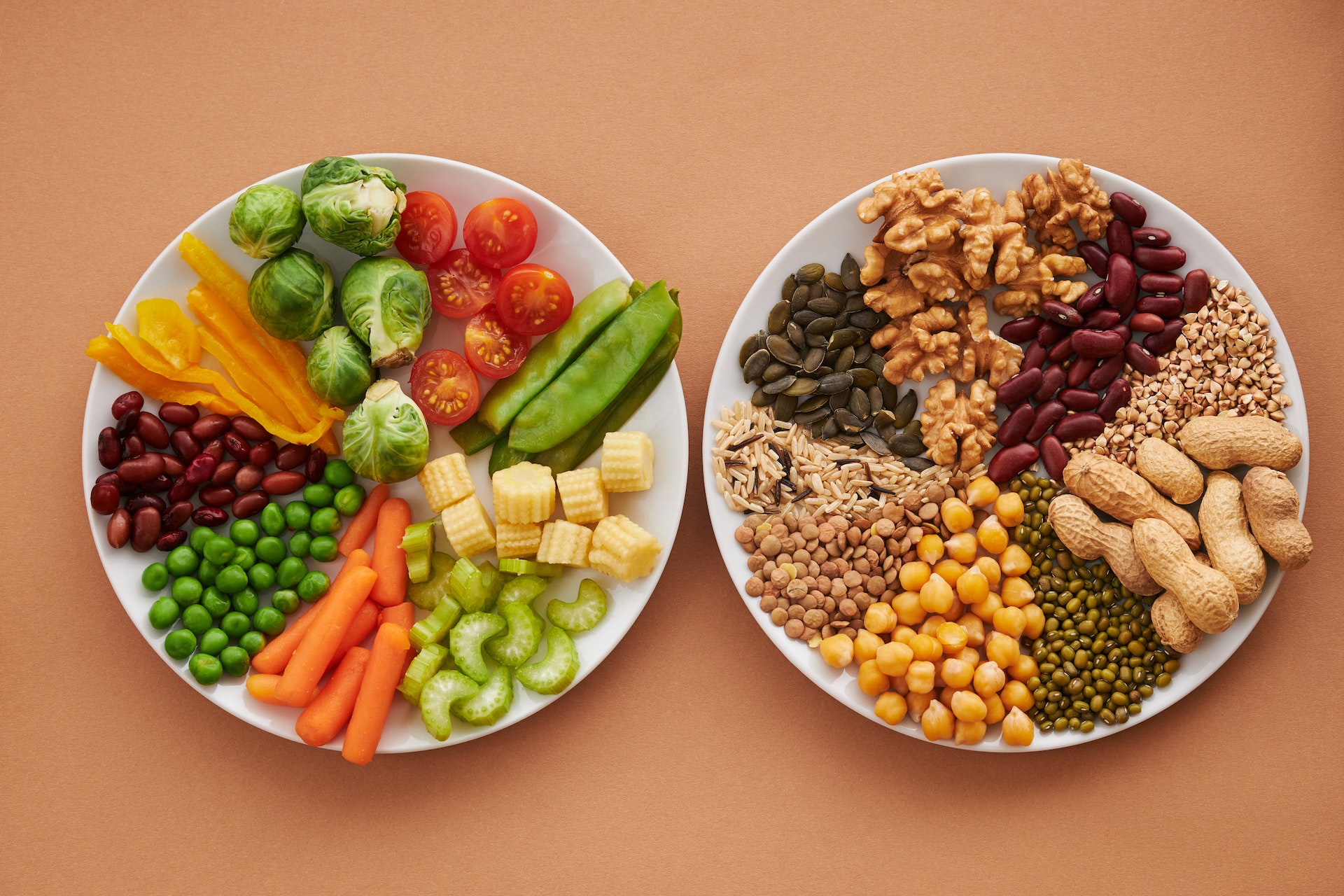
Achieving a Healthy Body through Comprehensive Nutrition and Complete Diet Planning
Nutrition and Diet Planning: A Comprehensive Guide to Optimal Health
Nutrition is the science of nourishing the body with the right balance of nutrients to maintain overall health and well-being. A well-planned diet is the cornerstone of good health, providing the body with the essential nutrients it needs to function optimally. In this comprehensive guide, we will delve into the importance of nutrition, the different nutrients the body requires, and how to create a well-balanced diet plan for a healthy life.

1.The Importance of Nutrition:
Proper nutrition is crucial for several reasons:
a. Energy Production: The body needs energy to carry out various physical and mental activities. Nutrients like carbohydrates, proteins, and fats provide the necessary energy for daily functioning.
b. Growth and Development: Essential nutrients, especially during childhood and adolescence, support growth, development, and the formation of healthy tissues.
c. Disease Prevention: A well-balanced diet rich in antioxidants, vitamins, and minerals can help strengthen the immune system and reduce the risk of chronic diseases like heart disease, diabetes, and certain cancers.
d. Cognitive Function: Nutrition plays a vital role in maintaining brain health, memory, and cognitive abilities.
e. Weight Management: A balanced diet can help maintain a healthy weight and reduce the risk of obesity-related issues.

2.Understanding the Key Nutrients:
a. Carbohydrates: Carbohydrates are the body’s primary source of energy. They are classified into two types: simple (sugars) and complex (starches and fiber). Complex carbohydrates, found in whole grains, fruits, and vegetables, provide sustained energy and support digestive health. It is recommended to limit intake of added sugars and focus on consuming whole, unprocessed carbohydrate sources.
b. Proteins: Proteins are essential for building and repairing tissues, enzymes, and hormones. Complete proteins, containing all essential amino acids, are found in animal sources like meat, fish, poultry, eggs, and dairy. Incomplete proteins can be obtained from plant-based sources such as legumes, nuts, seeds, and grains. Combining different plant-based protein sources throughout the day can provide all essential amino acids.
c. Fats: Fats are essential for absorbing fat-soluble vitamins (A, D, E, K) and providing long-term energy storage. Healthy fats, such as monounsaturated and polyunsaturated fats found in avocados, nuts, seeds, and olive oil, are beneficial for heart health. Saturated and trans fats, commonly found in processed foods and fried items, should be limited as they can increase the risk of heart disease.
d. Vitamins and Minerals: Vitamins and minerals are micronutrients that play a crucial role in various physiological functions. They act as co-factors in enzymatic reactions, support immune function, and aid in energy metabolism. A varied diet consisting of fruits, vegetables, whole grains, nuts, and seeds can provide a broad spectrum of vitamins and minerals.
3.Designing a Balanced Diet Plan:
a. Caloric Intake: The number of calories a person needs depends on factors like age, gender, weight, activity level, and health goals. Calculating daily caloric needs can be done using online calculators or consulting a registered dietitian.
b. Portion Control: Be mindful of portion sizes to avoid overeating. A balanced plate should consist of half vegetables and fruits, one-fourth lean proteins, and one-fourth whole grains or starchy vegetables.
c. Hydration: Adequate water intake is essential for bodily functions. Aim to drink at least 8-10 glasses of water daily, and adjust based on activity level and climate.

d. Food Groups and Meal Planning: Incorporate a variety of foods from different food groups in your daily meals. A well-balanced diet includes:
- Fruits and Vegetables: Aim for at least 5 servings of colorful fruits and vegetables daily. These provide essential vitamins, minerals, and antioxidants.
- Whole Grains: Choose whole grains like brown rice, quinoa, oats, and whole wheat over refined grains for added fiber and nutrients.
- Lean Proteins: Include lean sources of protein like skinless poultry, fish, legumes, tofu, and nuts in your meals to support muscle growth and repair.
- Healthy Fats: Incorporate healthy fats from sources like avocados, nuts, seeds, and olive oil to support heart health and nutrient absorption.
e. Meal Timing: Try to eat regular meals and snacks to maintain stable energy levels throughout the day. Avoid long gaps between meals to prevent overeating during subsequent meals.
f. Mindful Eating: Practice mindful eating by eating slowly, chewing food thoroughly, and paying attention to hunger and satiety cues. This helps prevent overeating and improves digestion.
4.Addressing Special Dietary Needs:
a. Vegetarian and Vegan Diets: Plant-based diets can be nutritionally adequate if well-planned. Ensure adequate intake of protein, iron, calcium, vitamin D, vitamin B12, and omega-3 fatty acids through plant-based sources or supplements if necessary.
b. Gluten-Free Diets: For individuals with celiac disease or gluten sensitivity, choose naturally gluten-free grains like rice, quinoa, and oats. Look for gluten-free versions of bread, pasta, and other grain-based products.

c. Diets for Specific Health Conditions: Certain health conditions, such as diabetes, hypertension, and allergies, may require dietary modifications. Seek guidance from a registered dietitian to create a personalized plan.
5.Common Nutrition Myths:
a. Myth: All Fats are Unhealthy: Fact: Healthy fats are essential for overall health. Focus on incorporating unsaturated fats into your diet while limiting saturated and trans fats.
b. Myth: Carbohydrates Cause Weight Gain: Fact: Excess calories from any macronutrient can lead to weight gain. Choose whole, unprocessed carbohydrates and control portion sizes for weight management.
c. Myth: Skipping Meals Helps with Weight Loss: Fact: Skipping meals can lead to overeating later in the day and may disrupt metabolism. Eat balanced meals and snacks to maintain energy levels and support weight management.
d. Myth: Supplements Replace a Balanced Diet: Fact: While supplements can be useful in certain situations, they should not replace a well-balanced diet. Aim to get nutrients primarily from whole foods.
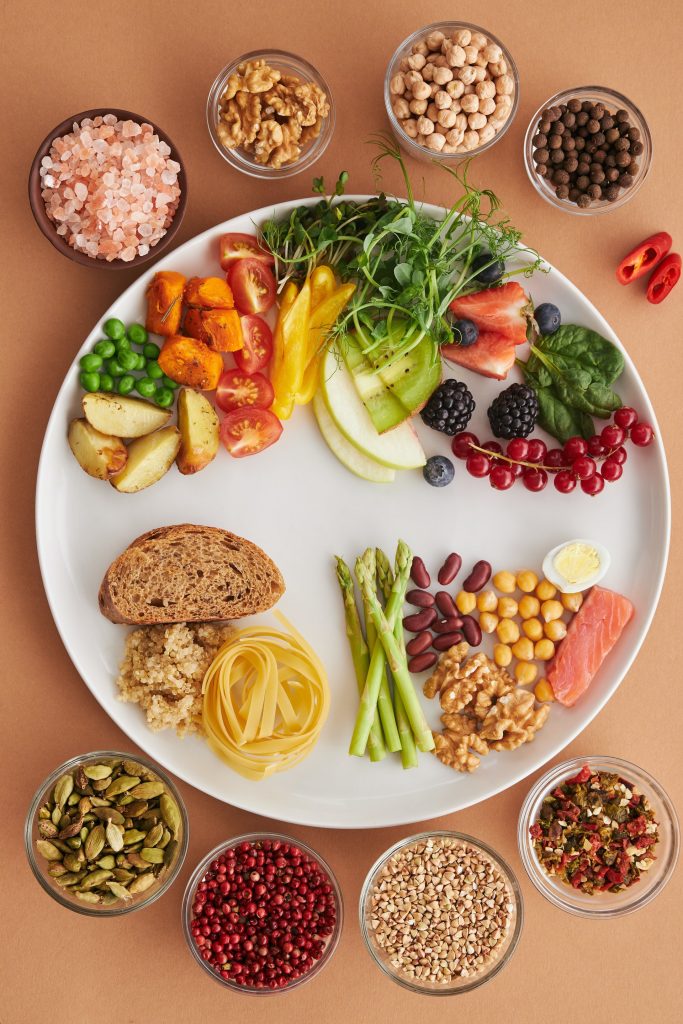
Nutrition and diet planning are essential for achieving and maintaining optimal health. A well-balanced diet, rich in essential nutrients, provides the body with the necessary tools to function at its best. Understanding the importance of each nutrient group, portion control, and mindful eating practices are keys to crafting a healthy diet plan. Additionally, addressing individual dietary needs and dispelling common nutrition myths contribute to a successful journey toward a healthier and more vibrant life. Consultation with a registered dietitian can further personalize the diet plan to meet specific health goals and ensure long-term well-being. Remember, nourishing your body with the right nutrients is an investment in your health and happiness.
10 Foods to Avoid During the Summer for a Healthy Lifestyle
The Benefits of Regular Exercise: Enhancing Physical, Mental, and Emotional Well-being